Abul Fazal Enclave · Okhla, New Delhi
Sports injury rehabilitation
Assessment and rehabilitation for sports-related injuries, with goals linked to the activity you want to return to.
Ask about an assessmentIndividual assessment · Fees on enquiry · Hindi, English & Urdu
Sources checked 18 October 2026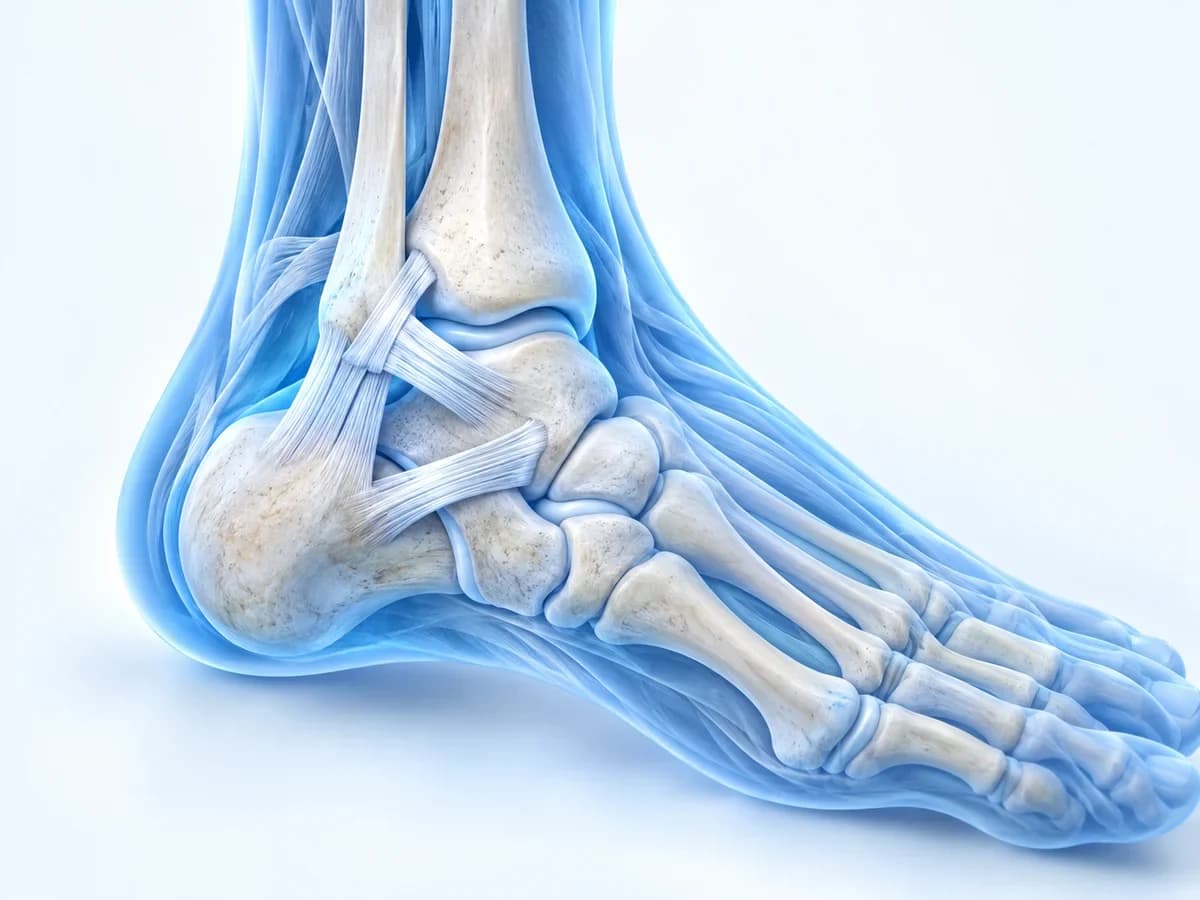
What is the difference between a sprain and a strain?
A sprain involves ligaments; a strain involves muscle or tendon. Both can occur when tissues are overstretched or twisted. Pain, swelling or weakness after sport needs assessment, especially if you cannot use the limb normally.
Sources
How we approach your care
Discuss how the injury occurred, relevant medical assessment and the demands of your sport.
Develop an individual exercise and rehabilitation plan according to your condition and restrictions.
Review function and response before changing the plan; discuss your activity goals at follow-up.
Sessions, progress and realistic expectations
Returning to exercise is an individual decision, not simply a date on the calendar. The clinic offers rehabilitation, but does not promise clearance for competition within a fixed number of sessions. Tell the physiotherapist about upcoming events without treating them as a recovery deadline.
Typical physiotherapy appointments last around 60 minutes, depending on individual needs. Ask about the proposed treatment time and review schedule for this service. Your total course is decided after assessment.
More about recovery and follow-upWhen to seek medical help
Seek urgent assessment for severe or worsening pain or swelling, inability to bear weight, or difficulty moving an injured joint. A deformed limb, numbness or tingling after injury, or skin that becomes blue, grey or cold needs emergency medical assessment.
This is general information, not an individual diagnosis or a complete list of warning signs. Emergency symptoms need medical care, not a routine appointment.
Sources
Your questions, answered
Do I need to be a professional athlete?
No. You can enquire about an injury affecting recreational exercise or sport. Share the activity and symptoms so the clinic can discuss suitability.
Can I train through the injury?
Do not use this page as clearance to continue painful activity. Discuss the injury, symptoms and any medical advice before planning your return.
Sources
Will a sprain settle in one or two sessions?
There is no universal session count. The injury, assessment findings and response determine the plan.
Should I bring scans or sports-doctor advice?
Share relevant reports and any restrictions or specialist instructions when available.
Does pain relief mean I can immediately compete?
Pain is only one part of your recovery discussion. Explain the movements and demands of your sport when reviewing readiness with your treating team.
Why can a sprain still need rehabilitation after pain improves?
Many sprains and strains feel better within about two weeks, while severe injuries can take months. Feeling better does not mean the same recovery timetable applies to every injury or sport. Discuss movement, strength and activity demands before returning to strenuous exercise.
Sources
Can physiotherapy help sports injuries?
Sports injury rehabilitation is offered at the clinic. Assessment considers the injury, activity goals and relevant medical instructions before an individual plan is agreed. A return-to-sport date or outcome cannot be guaranteed.
Can physiotherapy help prevent future injuries?
Discuss strength, movement and activity goals with your physiotherapist, including how to manage your return to everyday tasks or sport. A rehabilitation plan cannot guarantee that an injury will never happen again.
Sources
Can physiotherapy help athletes perform better?
You can discuss activity demands and rehabilitation goals after an injury. A specialist performance-testing or coaching programme has not been confirmed at this clinic, and improved sporting results are not guaranteed.
Sources and how we use them
Sources checked 18 October 2026. General health information is checked against the linked clinical guidance and patient resources. This is an editorial source check, not an independent clinician review; the check date is not the publication date of each source.
Clinic facts come from the questionnaire supplied by Dr. Salima Rahat on 16 October 2026 and follow-up replies received on 18–19 October. External sources support general information and do not verify clinic credentials, endorse this clinic or replace personal medical advice. Where evidence is limited, we say so.